
Alloy Steel Supplier & Stockist – ASC LLP
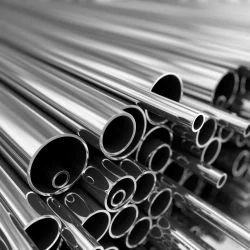
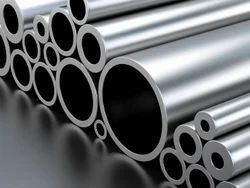
ASC LLP is an alloy steel supplier and stockist of chrome-moly pipes, boiler tubes, pressure-vessel plates, forged fittings, flanges and high-strength fasteners. Alloy steel is carbon steel with deliberate additions of chromium, molybdenum and, in some grades, vanadium, tungsten or nickel. These elements give it higher strength, better creep resistance and better resistance to oxidation at high temperature than plain carbon steel – which is why alloy steel is the standard material for power-plant steam lines, refinery heaters, boilers, pressure vessels and high-temperature bolting.
We supply alloy steel to ASTM / ASME standards including ASTM A335 P-grade pipes, ASTM A213 T-grade tubes, ASME SA387 plates, ASTM A182 and A336 forgings, ASTM A234 WP fittings and ASTM A193 bolting, to buyers in India and export markets across the Middle East, Europe, the USA and South America.
Alloy Steel Products We Supply
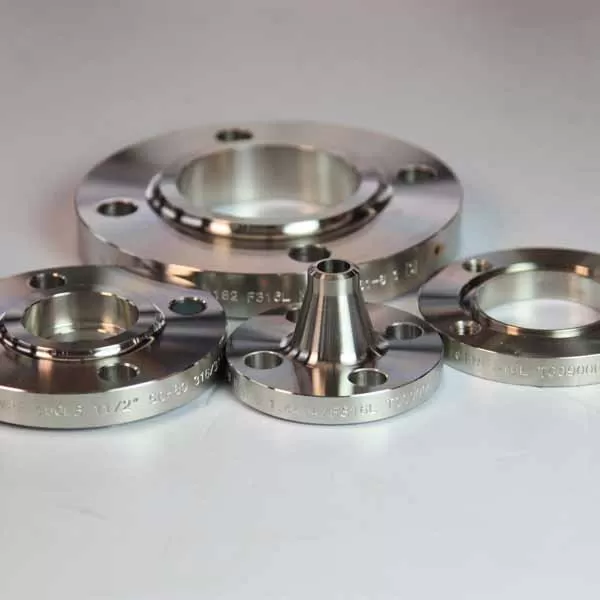
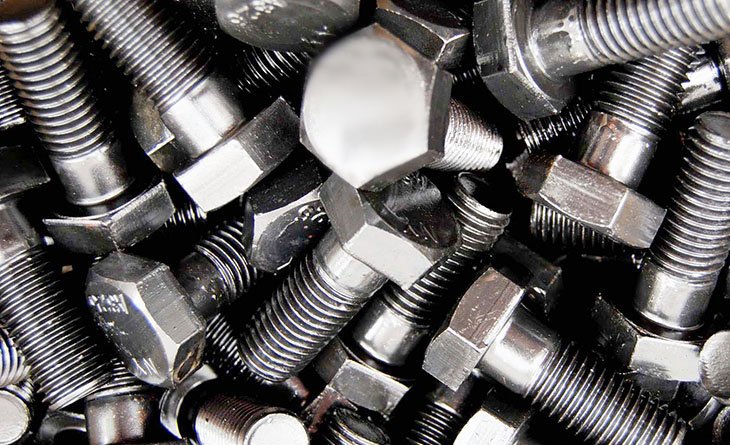

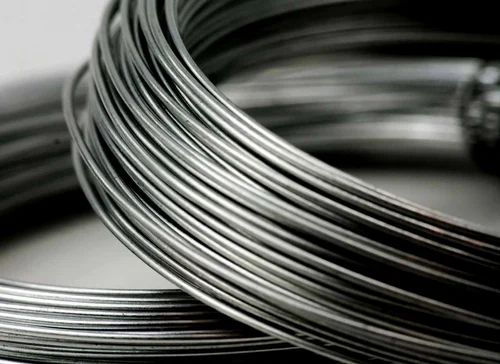
Alloy Steel Wires
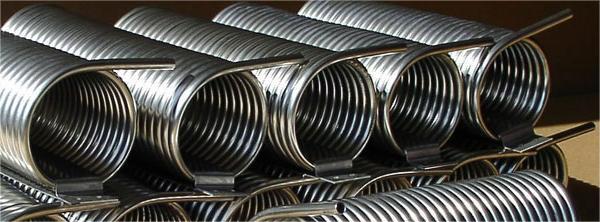
Alloy Steel Coiled Tubes
Alloy Steel Grades & Standards Available
Select a grade to see its full specification, sizes, chemical composition and mechanical properties.
Alloy Steel Seamless Pipes – ASTM A335 / ASME SA335
- ASTM A335 P1 Pipes
- ASTM A335 P2 Pipes
- ASTM A335 P5 / P5b / P5c Pipes
- ASTM A335 P9 Pipes
- ASTM A335 P11 Pipes
- ASTM A335 P12 Pipes
- ASTM A335 P22 Pipes
- ASTM A335 P23 Pipes
- ASTM A335 P91 Pipes
- ASTM A335 P92 Pipes
Alloy Steel EFW Pipes – ASTM A691
- ASTM A691 1¼Cr-½Mo EFW Pipes
- ASTM A691 2¼Cr-1Mo EFW Pipes
- ASTM A691 5Cr EFW Pipes
- ASTM A691 9Cr-1Mo EFW Pipes
Alloy Steel Boiler & Heat-Exchanger Tubes – ASTM A213 / ASME SA213
- ASTM A213 T1 Tubes
- ASTM A213 T2 Tubes
- ASTM A213 T9 Tubes
- ASTM A213 T11 Tubes
- ASTM A213 T12 Tubes
- ASTM A213 T22 Tubes
- ASTM A213 T23 Tubes
- ASTM A213 T91 Tubes
- ASME SA213 T91 Tubes
- ASTM A213 T92 Tubes
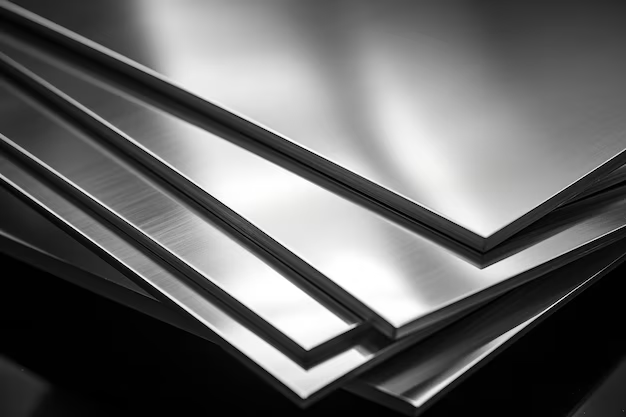
Alloy Steel Plates – ASME SA387 / ASTM A387
- SA387 Grade 5 Class 1 Plates
- SA387 Grade 5 Class 2 Plates
- SA387 Grade 9 Class 1 Plates
- SA387 Grade 9 Class 2 Plates
- SA387 Grade 11 Class 1 Plates
- SA387 Grade 12 Class 1 Plates
- SA387 Grade 12 Class 2 Plates
- SA387 Grade 22 Class 1 Plates
- SA387 Grade 22 Class 2 Plates
- SA387 Grade 91 Class 1 Plates
- SA387 Grade 91 Class 2 Plates
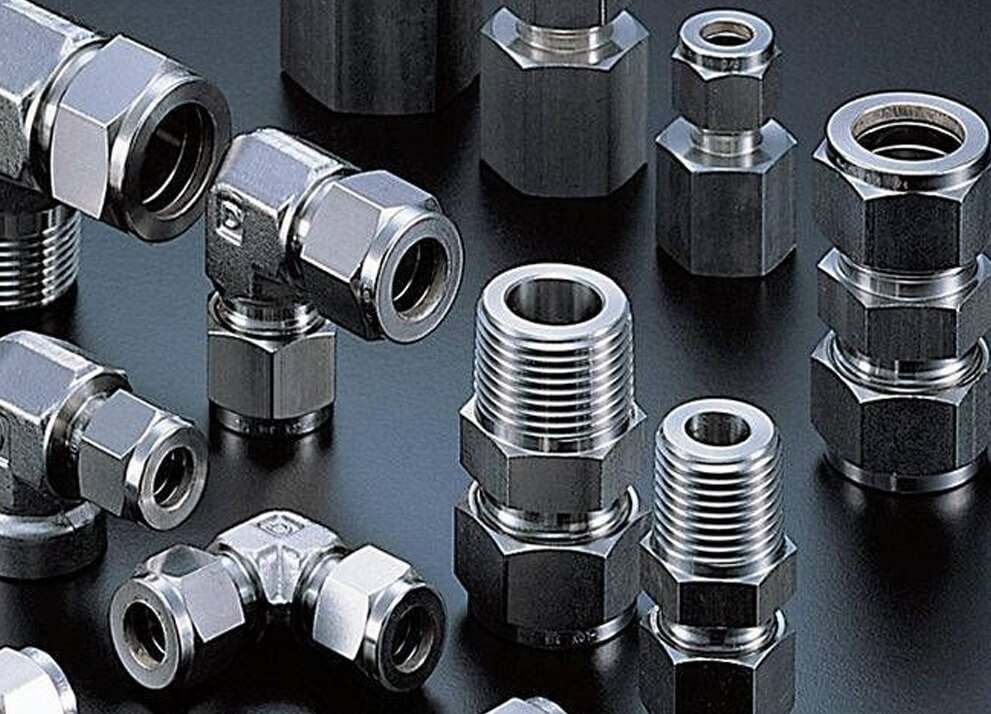
Alloy Steel Forged Fittings – ASTM A182 / ASTM A336
- ASTM A182 F1 Fittings
- ASTM A182 F5 Fittings
- ASTM A182 F9 Fittings
- ASTM A182 F11 Fittings
- ASTM A182 F22 Fittings
- ASTM A182 F91 Fittings
- ASTM A336 F1 Forgings
- ASTM A336 F2 Forgings
- ASTM A336 F5 Forgings
- ASTM A336 F9 Forgings
- ASTM A336 F11 Forgings
- ASTM A336 F12 Forgings
- ASTM A336 F22 Forgings
- ASTM A336 F91 Forgings
Alloy Steel Buttweld Fittings – ASTM A234 WP
- ASTM A234 WP1 Fittings
- ASTM A234 WP9 Fittings
- ASTM A234 WP11 Fittings
- ASTM A234 WP22 Fittings
- ASTM A234 WP91 Fittings
Alloy Steel Flanges – ASTM A182
- ASTM A182 F1 Flanges
- ASTM A182 F5 Flanges
- ASTM A182 F9 Flanges
- ASTM A182 F11 Flanges
- ASTM A182 F22 Flanges
- ASTM A182 F91 Flanges
Alloy Steel Fasteners – ASTM A193 / A194 / A320 / A354
- ASTM A193 Alloy Steel Fasteners
- ASTM A193 Grade B7 Bolts
- ASTM A193 Grade B7 Fasteners
- ASTM A194 Alloy Steel Nuts
- ASTM A194 Grade 2H Nuts
- ASTM A194 Grade 2HM Nuts
- ASTM A320 Low-Temperature Bolting
- ASTM A354 Bolts & Studs
- ASTM A325 Structural Bolts
- ASTM A490 Structural Bolts
Alloy Steel Bars & Mechanical Tubes
Chemical Composition of Common Alloy Steel Grades
Chemical requirements (%) per ASTM A335 for seamless pipe. The matching A213 T-grade tubes, A182 F-grade forgings and SA387 plate grades have closely similar chemistry – see each product page for the exact limits of that specification.
| Grade | Nominal | C | Mn | Si | Cr | Mo | Other |
|---|---|---|---|---|---|---|---|
| P5 | 5Cr-½Mo | 0.15 max | 0.30–0.60 | 0.50 max | 4.00–6.00 | 0.45–0.65 | – |
| P9 | 9Cr-1Mo | 0.15 max | 0.30–0.60 | 0.25–1.00 | 8.00–10.00 | 0.90–1.10 | – |
| P11 | 1¼Cr-½Mo | 0.05–0.15 | 0.30–0.60 | 0.50–1.00 | 1.00–1.50 | 0.44–0.65 | – |
| P12 | 1Cr-½Mo | 0.05–0.15 | 0.30–0.61 | 0.50 max | 0.80–1.25 | 0.44–0.65 | – |
| P22 | 2¼Cr-1Mo | 0.05–0.15 | 0.30–0.60 | 0.50 max | 1.90–2.60 | 0.87–1.13 | – |
| P91 | 9Cr-1Mo-V | 0.08–0.12 | 0.30–0.60 | 0.20–0.50 | 8.00–9.50 | 0.85–1.05 | V 0.18–0.25, Nb 0.06–0.10, N 0.03–0.07 |
| P92 | 9Cr-2W | 0.07–0.13 | 0.30–0.60 | 0.50 max | 8.50–9.50 | 0.30–0.60 | W 1.50–2.00, V 0.15–0.25, Nb 0.04–0.09 |
Mechanical Properties of Alloy Steel Pipes
Minimum room-temperature tensile requirements per ASTM A335.
| Grade | Tensile Strength, min | Yield Strength, min |
|---|---|---|
| P5, P9, P11, P22 | 415 MPa (60 ksi) | 205 MPa (30 ksi) |
| P12 | 415 MPa (60 ksi) | 220 MPa (32 ksi) |
| P91 | 585 MPa (85 ksi) | 415 MPa (60 ksi) |
| P92 | 620 MPa (90 ksi) | 440 MPa (64 ksi) |
Not sure which grade you need? Read our guide comparing P5, P11 and P91 alloy steel pipes.
Alloy Steel Specifications & Standards
| Specification | Product | Common Grades |
|---|---|---|
| ASTM A335 / ASME SA335 | Seamless ferritic alloy steel pipe for high-temperature service | P1, P2, P5, P9, P11, P12, P22, P23, P91, P92 |
| ASTM A691 | Electric-fusion-welded (EFW) alloy steel pipe for high-pressure, high-temperature service | 1¼Cr, 2¼Cr, 5Cr, 9Cr |
| ASTM A213 / ASME SA213 | Seamless boiler, superheater and heat-exchanger tubes | T1, T2, T9, T11, T12, T22, T23, T91, T92 |
| ASTM A387 / ASME SA387 | Chromium-molybdenum pressure-vessel plates | Grade 5, 9, 11, 12, 22, 91 (Class 1 & 2) |
| ASTM A182 / ASME SA182 | Forged flanges, forged fittings and valve parts for high-temperature service | F1, F5, F9, F11, F22, F91 |
| ASTM A336 | Alloy steel forgings for pressure and high-temperature parts | F1, F2, F5, F9, F11, F12, F22, F91 |
| ASTM A234 / ASME SA234 | Wrought buttweld pipe fittings | WP1, WP9, WP11, WP22, WP91 |
| ASTM A193 / A194 | High-temperature / high-pressure bolting and nuts | B7, B16 / 2H, 2HM |
| ASTM A320 | Low-temperature bolting | L7, L43 |
| ASTM A325 / A490 | Structural bolts (now consolidated under ASTM F3125) | A325, A490 |
Applications of Alloy Steel
| Industry | Typical Use | Common Grades |
|---|---|---|
| Thermal & supercritical power plants | Main steam and hot reheat lines, headers, superheater and reheater tubes | P91, P92, T91, T22, P22 |
| Boilers & HRSGs | Boiler tubes, water walls, economisers, superheaters | T11, T22, T91 |
| Oil refineries | Heater tubes, hydrocracker and hydrotreater piping, high-temperature process lines | P5, P9, P11, P22 |
| Petrochemical & fertilizer plants | Reformer and cracker piping, pressure vessels, reactors | P11, P22, SA387 Gr 11 / 22 |
| Pressure vessels & heat exchangers | Shells, heads, nozzles and tube sheets | SA387 plates, A182 / A336 forgings |
| Oil & gas / flanged piping | Flange bolting, studs and nuts | A193 B7, A194 2H, A320 L7 |
| Structural steelwork | High-strength structural connections | A325, A490 |
For boiler-tube users, see welding considerations for T91 tubes and inspection and testing of P91 pipes.
Why Buy Alloy Steel from ASC LLP?
- One source for the full piping package – pipes, tubes, plates, fittings, flanges and bolting in matching grades.
- Material traceability – supplied with mill test certificates to EN 10204 3.1; third-party inspection can be arranged on request.
- Testing to specification – hydrostatic, ultrasonic, PMI and hardness testing as required by the standard and your purchase order.
- Export-ready – seaworthy packing, marking and documentation for shipments to the Middle East, Europe, the USA and South America.
- Over 30 years in steel supply – technical support to help you select the right grade for your service conditions.
Send us your enquiry with grade, size, quantity and delivery location for a quick quotation.
Frequently Asked Questions
What is alloy steel?
Alloy steel is steel to which elements such as chromium, molybdenum, vanadium, tungsten or nickel are deliberately added to improve strength, hardness, toughness and resistance to heat and oxidation. Chrome-moly (Cr-Mo) grades such as P11, P22 and P91 are the most widely used alloy steels for high-temperature, high-pressure service.
What is the difference between P11, P22 and P91?
P11 (1¼Cr-½Mo) and P22 (2¼Cr-1Mo) are low-alloy chrome-moly grades used for moderate-to-high temperature piping. P91 (9Cr-1Mo-V) is a modified 9-chrome grade with vanadium and niobium; its much higher strength and creep resistance allow thinner walls at the highest steam temperatures in modern power plants. Higher chromium also improves oxidation resistance.
What is the difference between ASTM A335 and ASTM A213?
ASTM A335 covers seamless alloy steel pipe (ordered by nominal pipe size and schedule) for high-temperature piping systems, using P-grades. ASTM A213 covers seamless tubes (ordered by outside diameter and wall thickness) for boilers, superheaters and heat exchangers, using T-grades. P91 pipe and T91 tube, for example, have closely similar chemistry.
Which certificates do you supply with alloy steel products?
Material is supplied with mill test certificates to EN 10204 3.1 as standard. EN 10204 3.2 certification and third-party inspection by agencies nominated by the buyer can be arranged on request.
Do you export alloy steel products?
Yes. ASC LLP supplies alloy steel pipes, tubes, plates, fittings, flanges and fasteners to customers in India and to export markets including the Middle East, Europe, the USA and South America.
Follow us on:
