
C-103 Niobium Parts – Drawing & Quotation Checklist
Machined C-103 niobium alloy parts are expensive to make, and a quote is only as good as the drawing and requirements sent with it. This checklist from ASC LLP, Mumbai, lists what to include when you request a quotation for C-103 parts: drawing inputs, feedstock form, service environment, coating and inspection.
Download the one-page C-103 parts drawing checklist (PDF). For standard C-103 products, see our C-103 flanges, C-103 fittings and C-103 fasteners.
What is C-103?
C-103 (UNS R04295) is a niobium-base alloy with about 10% hafnium and 1% titanium (Nb-10Hf-1Ti). It keeps useful strength at very high temperature, so it is used mainly for rocket nozzle extensions, thrusters and other hot aerospace parts. However, it oxidizes in hot air, which is why the service environment and coating must be defined on every order.
The 8-Point C-103 Parts Checklist
- Drawing and revision
- Material call-out
- Feedstock form
- Condition and heat treatment
- Service environment
- Coating
- Inspection and documents
- Quantity, packing and delivery
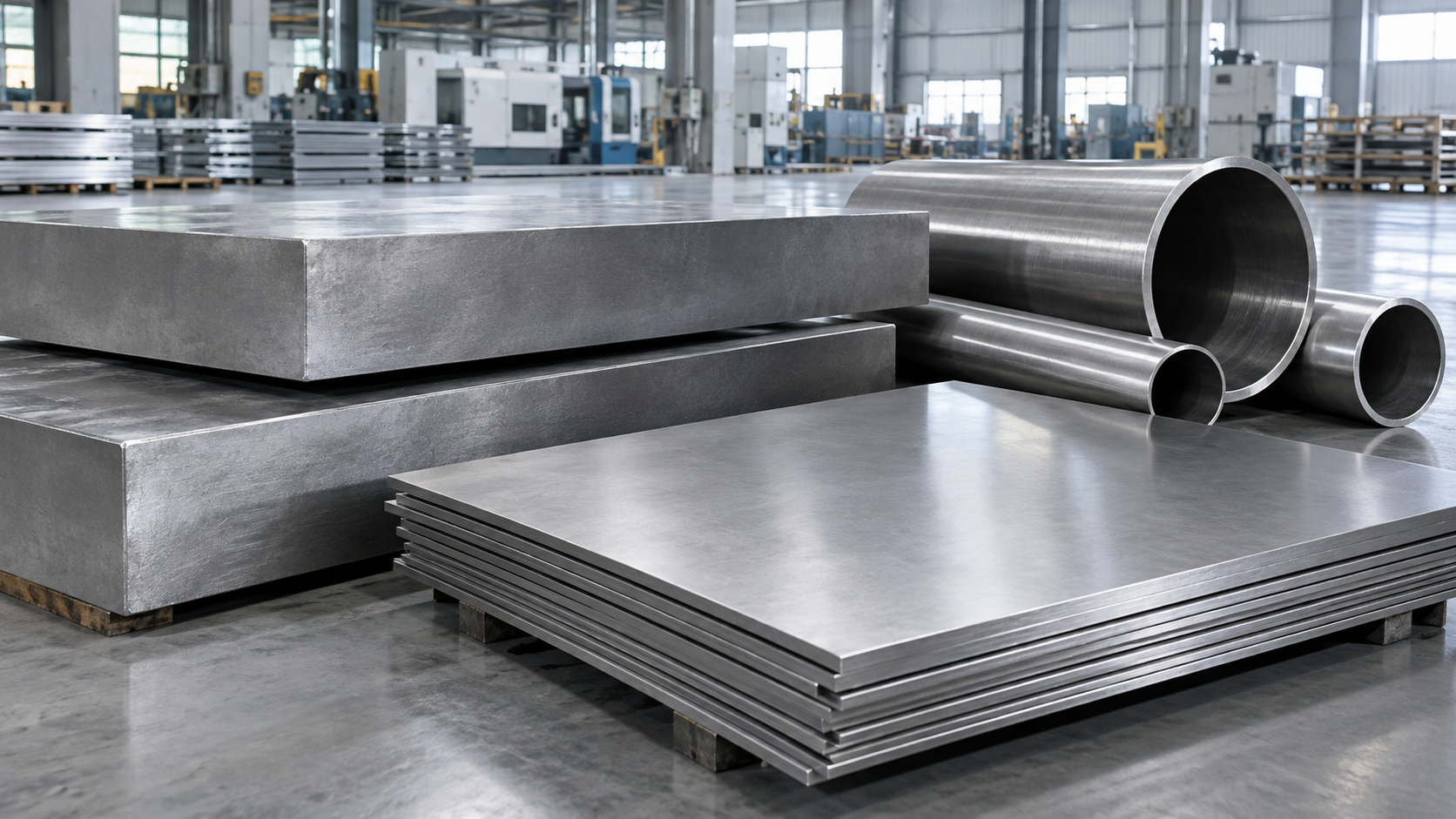
1. Drawing and Revision
- Drawing: a dimensioned drawing (PDF), together with a 3D model (STEP) where available, and the current revision letter.
- Tolerances: general tolerances, GD&T and critical dimensions clearly marked.
- Surface finish: Ra values, edge breaks and any polished or sealing surfaces.
- Features: threads (with class), welds or brazed joints, and any features that must be machined after coating.
- Export control: in addition, state any export-control or confidentiality requirements before sharing the drawing.
2. Material Call-Out
| Feedstock | Common specifications | Note |
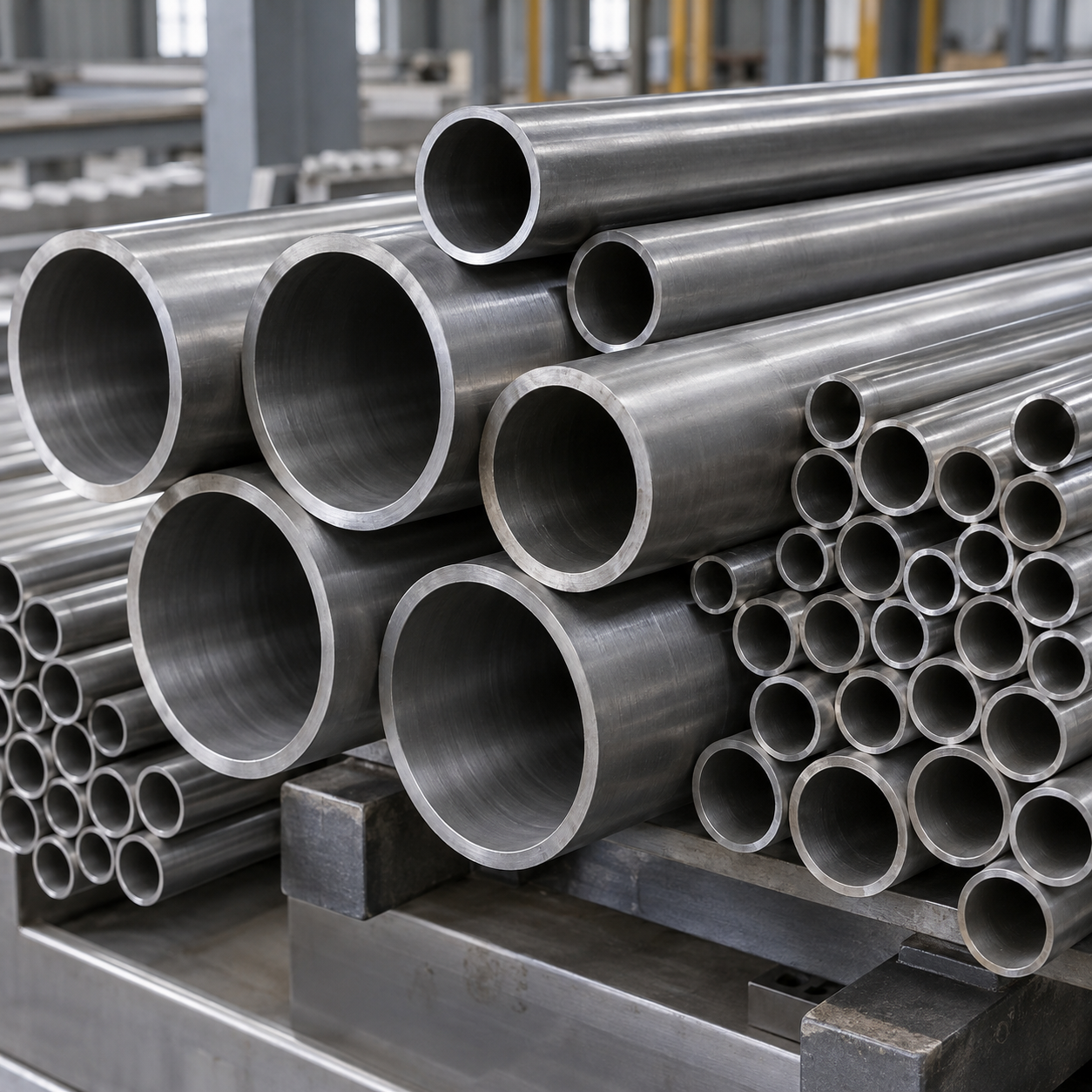
| Bar, rod and wire | ASTM B655, AMS 7857 | Most turned and milled parts |
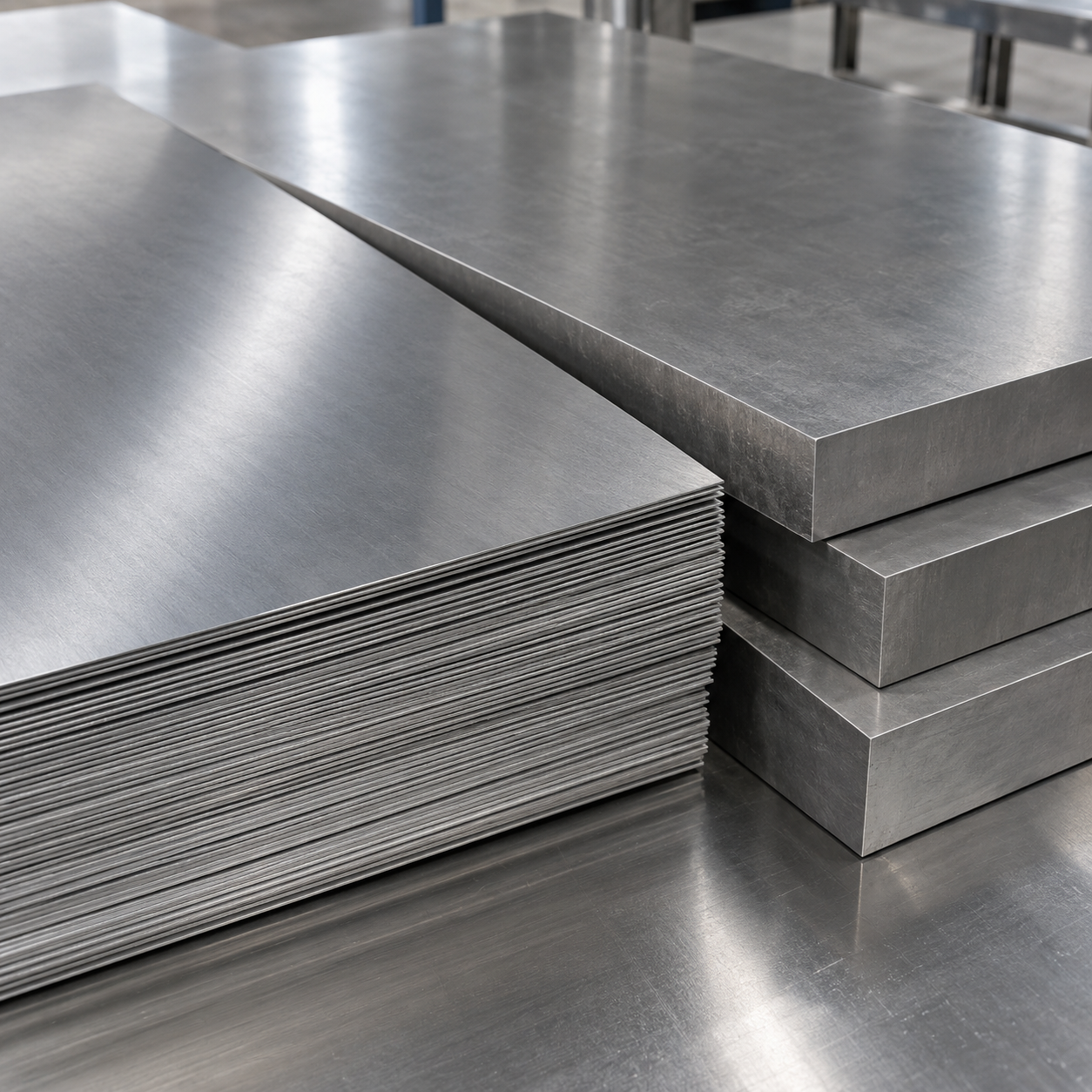
| Sheet, strip and plate | ASTM B654, AMS 7852 | Formed or spun parts, as well as flat machined parts |
| Forgings and extrusions | Customer specification | Near-net shapes, typically for larger parts |
Write the alloy as “C-103 (UNS R04295)” and name the specification, because C-103 is not covered by the pure-niobium specifications such as ASTM B392. If no specification is given, the material certificate cannot be checked against anything. For pure niobium bar, by contrast, see niobium bars.
3. Feedstock Form
- Preferred form: state whether the part should be machined from bar, plate, forging or extrusion, or leave it to the supplier.
- Grain direction: for example, if properties are needed in a particular direction, mark it on the drawing.
- Free-issue material: if you supply the C-103 yourself, give its form, size and certificate with the RFQ.
4. Condition and Heat Treatment
- Material condition: usually annealed (recrystallized); alternatively, stress relieved, as specified.
- After machining or welding: state whether a vacuum or inert-gas stress relief is required, and its temperature range.
- Atmosphere: C-103 picks up oxygen and nitrogen when hot, so any heat treatment must be done in vacuum or high-purity inert gas.
5. Service Environment
| Service detail | Why it matters |
| Peak temperature | Strength falls sharply above about 1100 °C, so it decides the wall thickness |
| Atmosphere (air, combustion gas, vacuum) | In hot oxidizing gas, C-103 needs a protective coating |
| Duration and number of cycles | Short firings may run uncoated; however, long service usually needs coating |
| Thermal shock and vibration | Affects joint design, as well as inspection requirements |
Even an approximate service profile helps. As a result, the coating, inspection and documents can be quoted correctly the first time.
6. Coating
- Coating type: for oxidizing service, C-103 is normally given a silicide coating, for example R512E, applied by a specialist coater.
- Supply condition: state whether parts are to be supplied uncoated (ready for your coater) or coated.
- Approved coater: if coated, name the coating specification and any approved coating source.
- Masking and thickness: also mark surfaces to be masked, and the required coating thickness and inspection.
7. Inspection and Documents
| Item | What to state |
| Material certificate | EN 10204 3.1 with chemistry (Hf, Ti, O, C, N, H) and tensile results |
| Dimensional report | Full report, or alternatively first-article inspection (for example, AS9102 format) |
| NDT | Dye penetrant, ultrasonic or radiography, with the acceptance standard |
| Welds and brazes | Procedure and welder qualification, as well as weld inspection |
| Cleanliness | Cleaning method; in addition, handling with gloves if required |
| Traceability | Heat or lot number marking method, for example vibro-etch or tag |
8. Quantity, Packing and Delivery
- Quantity: prototype quantity and, separately, expected production quantity.
- Packing: individual protective packing, so machined and coated surfaces are not damaged.
- Delivery: required date, Incoterm and destination.
Sample Quotation Request
Illustrative example, not a customer order:
4 nos. thruster nozzle extension to drawing XYZ-101 Rev C; material C-103 (UNS R04295) to ASTM B655, machined from annealed bar; vacuum stress relief after machining; supplied uncoated for customer’s silicide coater; full dimensional report and dye penetrant inspection; EN 10204 3.1 certificate; individually packed.
Common Mistakes
- No specification: “C103” alone, without ASTM B654 / B655 or AMS, so the material cannot be verified.
- Environment missing: therefore, the coating need is unknown and the quote has to be revised.
- Coating ownership unclear: it is not stated who coats the parts, or which surfaces are masked.
- Old drawing revision: finally, quotes are made against an out-of-date drawing.
Send Your C-103 Drawing to ASC LLP
To get a quotation, please send your drawing and completed checklist. First, we review the drawing against this list, and then we confirm any missing points with you before quoting. See our niobium products range for related material.
Frequently Asked Questions – C-103 Parts Quotations
What is C-103 niobium alloy?
In short, it is a niobium-base alloy with about 10% hafnium and 1% titanium (UNS R04295), used for high-temperature aerospace parts.
Which specifications cover C-103?
ASTM B655 and AMS 7857 cover bar, rod and wire, while ASTM B654 and AMS 7852 cover sheet, strip and plate.
Is C-103 covered by ASTM B392?
No. ASTM B392 covers pure niobium and Nb-1Zr. C-103 is ordered to B654, B655 or the AMS specifications.
Does C-103 need a coating?
For long service in hot oxidizing gas, yes. A silicide coating such as R512E is normally used, applied by a specialist coater.
What should a C-103 parts RFQ include?
The drawing and revision, material specification, feedstock form, condition, service environment, coating, inspection, quantity and delivery.
Can C-103 parts be welded?
Yes, by TIG or electron-beam welding in vacuum or high-purity inert gas, because hot C-103 absorbs oxygen and nitrogen.
What documents are supplied with C-103 parts?
Typically an EN 10204 3.1 material certificate and dimensional report, plus any NDT or coating records the order requires.
Global Supply
ASC LLP supplies niobium and niobium alloy products from Mumbai to customers in India, the Middle East, Europe, Africa, the Americas and South-East Asia. To get a prompt quotation, simply send your drawing and this checklist.

Countries We Export To
UNITED STATES, EUROPE, UK, UAE, SAUDI ARABIA, OMAN, KUWAIT, JORDAN, QATAR, INDONESIA, MALAYSIA, BRAZIL, SPAIN, ITALY, FRANCE, GERMANY, BAHRAIN, SRI LANKA, AZERBAIJAN, AUSTRALIA, AUSTRIA, PHILIPPINES, TURKEY, RUSSIA, IRAN, IRAQ, CANADA, KOREA, JAPAN, YEMEN, FINLAND, ZIMBABWE, HUNGARY, PORTUGAL, VIETNAM, MOROCCO, THAILAND, SOUTH AFRICA, MEXICO, SINGAPORE, GREECE, KUWAIT, POLAND, NEW ZEALAND, SWEDEN, SWITZERLAND, BELGIUM, BHUTAN, BANGLADESH, TAIWAN, ROMANIA, CAMBODIA, KAZAKHSTAN, AFGHANISTAN.
